30 January, 2011
Home in Alicante, for a moment
Alicante reminded me a bit of being home in Buenos Aires. As I was leaving at 07h30 for the bus to the Santa Pola Half Marathon, smartly dressed Alicantinos were joyously filing out of bars and night clubs - a wee bit intoxicated, singing, smoking, looking for an open cafe for breakfast - simply enjoying being young on an early Sunday morning.
Not familiar with the region I anxiously got the the bus station early and bought my ticket from Alicante to Santa Pola. Nervous I was for the half marathon. I hadn't properly train for the two previous weeks, and traveling solo I didn't have any trusted companions to air my anxieties. Not knowing how to handle the jitters, I closed my eyes and tried to forget about my apprehensions. It was a long 30-minute bus trip.
1:39:44 it took me for the half marathon.
24 January, 2011
23 November, 2010
12 November, 2010
Soy mochilero nuevamente / Backpacking again
Al contrario de las imágenes Hemingway había retratado, donde la multitud festejaba durante las Sanfermines y los amantes se peleaban, Pamplona en noviembre parecía austera y melancólica. No había muchos turistas, toros furiosos, aristócratas inglésas viajando, y con la excepción de yo mismo, pocos borrachos.
Por la mañana, me voy de España. Paris yo vengo! Era una visita corta efectivamente.
Llegué a España hace unos días. Originariamente, querría conocer el País Vasco en ambos lados de la frontera. En Biarritz, por las razónes que fueran, subí otro tren directamente para España. Que aventura!
San Sebastián la lluviosa. Con un chaparrón que no podía detenerse, la cuidad por el Urumea me parecía como una dama gris, con tanta tristeza! Sin embargo, adentro, fuera de la cólera de la pachamama, me daba un gusto la cocina vasca y unos nuevos amigos del País Vasco y de Galicia.
* * *
I had originally wanted to visit both sides of the Basque country. But for whatever reason, upon arriving at Biarritz Tuesday afternoon and after a short lunch by the beach, I immediately boarded another train directly for Spain. It wasn't a plan. But it felt right.
Pamplona in November was very different than that of Hemingway´s famous novel. Without the raging bulls charging down the narrow lanes, around-the-clock San Fermin Festival goers, and the bickering lovers with multiple affairs, the city seemed forlorn, austere, melancholic. Except for me, there weren't even that many drunks stumbling around the city squares.
San Sebastián during my visit was rainy and cold. I was chilled to the bones, but found warm companionship with travelers and locals alike. It felt good speaking Spanish again! With pintxos, txakoli wine, and lively conversations with a few new Basque and Galician friends, I merrily passed two days inside, out of mother nature´s fury.
Pamplona in November was very different than that of Hemingway´s famous novel. Without the raging bulls charging down the narrow lanes, around-the-clock San Fermin Festival goers, and the bickering lovers with multiple affairs, the city seemed forlorn, austere, melancholic. Except for me, there weren't even that many drunks stumbling around the city squares.
San Sebastián during my visit was rainy and cold. I was chilled to the bones, but found warm companionship with travelers and locals alike. It felt good speaking Spanish again! With pintxos, txakoli wine, and lively conversations with a few new Basque and Galician friends, I merrily passed two days inside, out of mother nature´s fury.
/Comiendo pintxos y tomando txakoli en Bar Eruko, San Sebastián
28 October, 2010
Mea Culpa: No protesters!/no había manifestantes!/pas des manifestants!
Since I got to France I just haven't had the motivation to write for pleasure. Because I have been short on words, I'll include some photos I took today while biking around Paris.
* * *
Desde que llegué a Francia simplemente no tenía la motivación para escribir únicamente por el placer. Ya que he estado corto de palabras recientemente, acá están unas fotos que saqué mientras estaba vagando por Paris esta tarde.
14 June, 2010
Paris and Team Accidental Pawnstars
My heart was pounding as the slow drizzle started coming down. Having turned my ankle earlier in the day, pain shot through with each step I took. First I tried singing old rugby songs from my university days. When that didn't work, my mind drifted to conjugating Spanish and French verbs.
It has been six months since I left Argentina and returned to the United States. I left Argentina with hopes, but no plans. I knew I wanted to pursue graduate degrees, but when I left South America I had no offers from universities yet. I knew I wanted no part of returning to politics and living in Washington, DC again, but didn't know where I would like to be. Although I adored Buenos Aires, it wasn't home. The trouble is, I don't know where home is.
* * *
I first heard about the Laurel Highlands Ultra Race just three weeks ago. While I have never considered myself a runner, the thought of racing around in the woods with buddies appealed to me. So, with less than two months' training, I joined two friends from college to run the 77-mile (124km) relay race on 12 June, 2010.
With very limited time to achieve a very specific goal, I set myself to train. I ran a few miles everyday, at times with friends, but mostly solo. Meanwhile, I waited for answers from graduate schools I applied to. With possible destinations like Paris, Brussels, or Brooklyn for next year, I grew increasingly excited and anxious as days passed without news.
At approximately 00h00 on race day, we the three members of Team Accidental Pawnstars set out from Washington, DC for southwestern Pennsylvania. By 04h00, we pulled into the starting line of the Laurel Highlands Ultra Race at Ohiopyle, PA. At 05h30, without any sleep the previous night, the first leg of the race kicked off.
It wasn't until my teammate finished the first leg and tagged me in for my part that my heart started racing. Time and distance passed quickly - much faster than I anticipated. It was an hour before I realized that I needed to hydrate.

Me at my first aid station
Even I as write two days after the race, I am still reliving fond memories of the Laurel Highlands. I have found similar feelings amongst other runners I met on Saturday. The lovely images of running in the woods, most of it alone and among wild rhododendron, laurel, and fern, continue to flash in my head. The cheerful companionship of my two friends, and other runners and spectators, who constantly urged on all competitors, was like nothing I have experienced before in other athletic events. I may have discovered a new addiction.
Damn you Dave and Joe!
* * *
In late August, my life will take another turn as I move to Paris, France for my graduate studies. So, in eight short months after I left Argentina for the United States, I will move once again to live the happy life of an expatriate.
16 December, 2009
The last days / Los últimos dias
I have two more days left in South America. But it feels like I have reached the end of my journey.
Just a day ago I was in Cabo Polonio, the most isolated town of Uruguay's Atlantic coastal region. Splendidly detached from the outside by sand dunes, no roads, electricity, and other modern amenities, perfect strangers who gathered in Cabo quickly became friends. Without distractions such as televisions, the Internet, etc., we spent hours on the beaches and long nights, cooking, making tropical cocktails and drinking wine.
But now I am tired. Sitting in a hostel in Montevideo, Uruguay, waiting for my evening flight back to Buenos Aires, I am suddenly anxious to return to the United States to see my friends and family.
Just a day ago I was in Cabo Polonio, the most isolated town of Uruguay's Atlantic coastal region. Splendidly detached from the outside by sand dunes, no roads, electricity, and other modern amenities, perfect strangers who gathered in Cabo quickly became friends. Without distractions such as televisions, the Internet, etc., we spent hours on the beaches and long nights, cooking, making tropical cocktails and drinking wine.
But now I am tired. Sitting in a hostel in Montevideo, Uruguay, waiting for my evening flight back to Buenos Aires, I am suddenly anxious to return to the United States to see my friends and family.
* * *
Tengo dos dias más en Sudamérica. Pero ya siento que ha llegado el fin de mi viaje.
Solamente hace un dia estuve en Cabo Polonio, uno de los pueblos más remotos de la costa de Uruguay. Espléndidamente aislado por las dunas, y la falta de eletricidad, calles, y otros servicios modernos, desconocidosque llegaron a Cabo se hicieron amigos rapidamente. Sin distracciónes como la tele, Internet, etc., pasamos mucho tiempo en las playas y las noches cocinando, tomando vino y haciendo cocteles tropicales.
Pero ahora estoy cansado. Me quedo en un hostel de Montevideo, Uruguay, esperando para mi vuelo esta noches, de repente me vuelvo ansioso regresar a EE.UU para ver mis amigos y familia.
Solamente hace un dia estuve en Cabo Polonio, uno de los pueblos más remotos de la costa de Uruguay. Espléndidamente aislado por las dunas, y la falta de eletricidad, calles, y otros servicios modernos, desconocidosque llegaron a Cabo se hicieron amigos rapidamente. Sin distracciónes como la tele, Internet, etc., pasamos mucho tiempo en las playas y las noches cocinando, tomando vino y haciendo cocteles tropicales.
Pero ahora estoy cansado. Me quedo en un hostel de Montevideo, Uruguay, esperando para mi vuelo esta noches, de repente me vuelvo ansioso regresar a EE.UU para ver mis amigos y familia.
19 November, 2009
Che!
"CHE!" nos decían a cada rato unos muchachos de Rosario esa noche. En esos momentos, bien ebrio y solamente alegre de tener la oportunidad de conocer a otra gente, simplemente contestaba lo mismo y me moría de risa entre mis nuevos amigos. Era la Fiesta de la Cerveza Nacional de Argentina, o el Oktoberfest en Villa General Belgrano de la Provincia de Córdoba.
Han pasado casi doce meses desde que llegué a Buenos Aires. En muchas maneras, ha sido un largo año. En ciertos momentos, me sentí aislado y quise volver a casa. Como un extranjero bien en el medio de una de las ciudades más grandes en las Américas, soy un desconocido en una tierra extraña. Llegué sin mucho conocimiento de Argentina, del idioma, y sin niguna idea de cómo los porteños me recibirían.
En cambio, me he divertido tanto, que el año pasó volando. Distinto de cuando llegué, ya puedo conversar con los sudamericanos adecuadamente. Aunque ningún argentino me identificaría como un habitante local, la habilidad de tener charlas más profundas con ellos debe ser uno de los aspectos más satisfactorios de mi viaje aquí.
En los últimos meses, mientras preferí viajar alegremente más que documentar, he dejado de lado escribir en este blog. Desde que regresé de Brasil en agosto, he viajado a la Provincia de Córdoba por el Octoberfest de Argentina, seguí el sol hacia el norte hasta Salta y Jujuy para contemplar las Salinas Grandes, y subí cerros con tantos colores, que sin duda, Van Gogh hubiera pasado una vida entera interpretando en lienzo estas obras de la naturaleza.
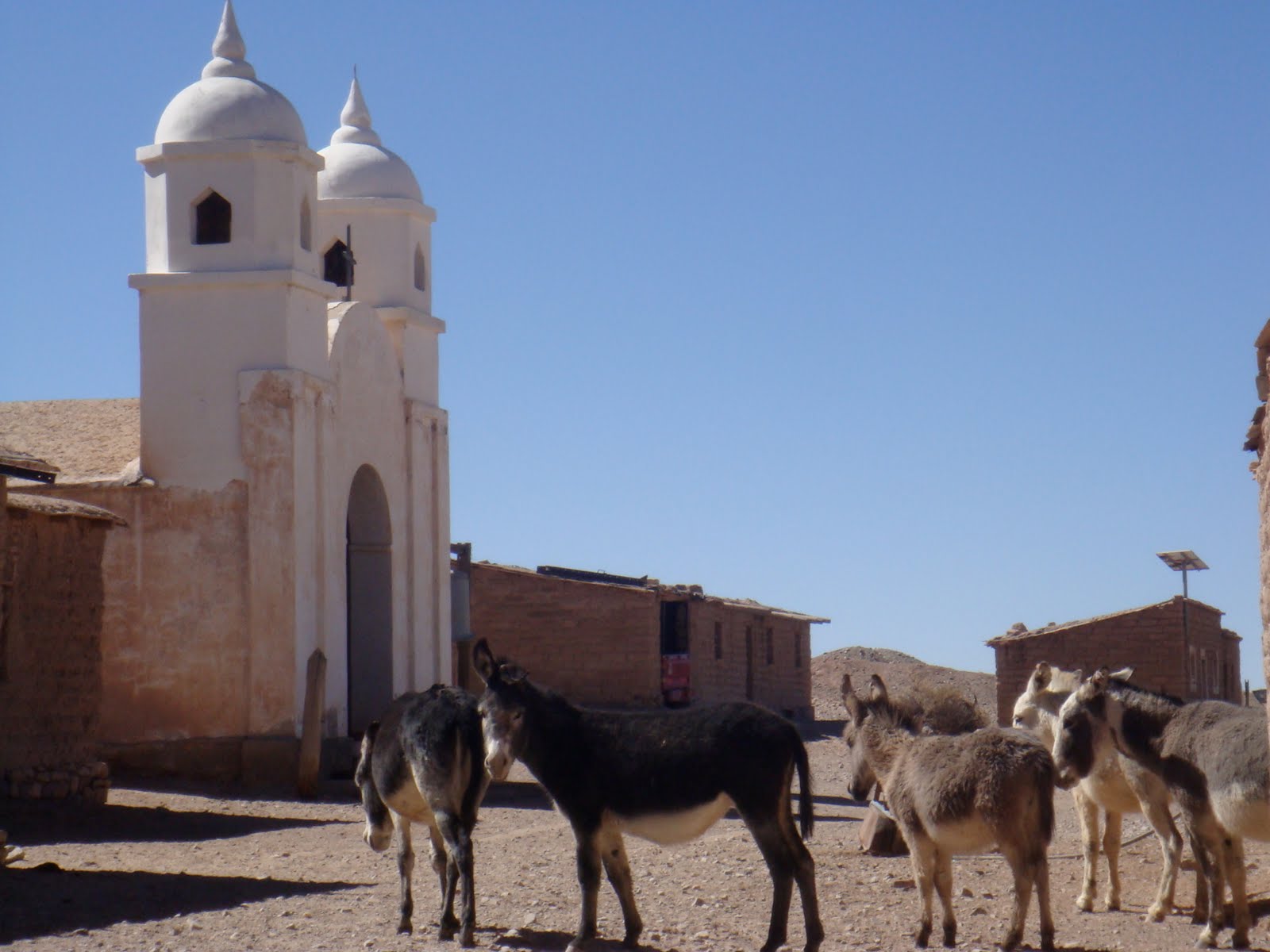
The Hills of Pumamarca, Jujuy/Las Colinas de Pumamarca, Jujuy
* * *
It has been almost twelve months since I arrived at Buenos Aires. In many ways, it has been a long year. In certain moments, I felt isolated and wanted to go home. As a foreigner in the middle of one of the largest cities in the Americas, I was a stranger in a new land. I arrived without much knowledge of Argentina, of the language, and without any idea how the locals would receive me.
Conversely, I have been enjoying myself so much that the year simply flew by. Unlike when I first arrived, I can now move past the basics and enjoy more profound conversations with South Americans. While no Argentine would make the mistake of thinking me a local, sorting out the communications issue must be one of the most satisfying aspect of my travels here.
In the past few months, happy to experience rather than document, I have neglected to write in this blog. Since returning from Brazil in August, I have traveled to Córdoba Province for Argentina's Octoberfest, chased the sun north to Salta and Jujuy Provinces to gaze at one of the world's great salt flats, and hiked surging peaks with so many colors that Van Gogh surely could have spent a lifetime duplicating nature's work on canvas.
Last week I finally had the opportunity to explore Uruguay. At this moment I really cannot explain the feelings in my head, a cocktail of happiness and regret at the same time. While I have had almost an entire year to get to know this part of Latin America, and I have learned so much, it feels that I have so much more to see and experience. As I said before, it is like I have only read the jacket of a book that I might never finish. In a few weeks, I will leave Argentina swimming in a sea of melancholy.
In Punta del Diablo, Uruguay, I found a little bit of peace. In this peaceful seaside village, there was the Juancho, literally an old man by the sea. All day he would sit on the side of his broken-down shack, which he would like to sell for US$10,000, and talk with whomever wanted to talk. Then there was the little daughter of Juan, the local grocer, who wanted to practice English, but would only smile shyly after a few words, and the fishermen who fished whenever they wanted and would sell whatever gifts the sea brought them.
Han pasado casi doce meses desde que llegué a Buenos Aires. En muchas maneras, ha sido un largo año. En ciertos momentos, me sentí aislado y quise volver a casa. Como un extranjero bien en el medio de una de las ciudades más grandes en las Américas, soy un desconocido en una tierra extraña. Llegué sin mucho conocimiento de Argentina, del idioma, y sin niguna idea de cómo los porteños me recibirían.
En cambio, me he divertido tanto, que el año pasó volando. Distinto de cuando llegué, ya puedo conversar con los sudamericanos adecuadamente. Aunque ningún argentino me identificaría como un habitante local, la habilidad de tener charlas más profundas con ellos debe ser uno de los aspectos más satisfactorios de mi viaje aquí.
En los últimos meses, mientras preferí viajar alegremente más que documentar, he dejado de lado escribir en este blog. Desde que regresé de Brasil en agosto, he viajado a la Provincia de Córdoba por el Octoberfest de Argentina, seguí el sol hacia el norte hasta Salta y Jujuy para contemplar las Salinas Grandes, y subí cerros con tantos colores, que sin duda, Van Gogh hubiera pasado una vida entera interpretando en lienzo estas obras de la naturaleza.
La semana pasada, finalmente tuve la oportunidad de conocer Uruguay. No puedo explicar como me siento ahora, pero tengo un sentimiento de alegría y lamento al mismo tiempo. Mientras he tenido casi un año entero para conocer esta parte de América Latina, ya he aprendido tantas cosas sobre ella, que me parece que tengo mucho más para entender y experimentar. Como dije anteriormente, es como que solamente vi un preestreno de un libro que quizás nunca pueda terminar. En unas semanas, voy a marcharme de Argentina con una sensación de melancolía.
En Punta del Diablo en la Banda Oriental, encontré un poco de paz. En ese pueblito tranquilo, estaba el Juancho, el viejo cerca del mar. Todo el día se sentaba al lado de su choza destartalada, la que quería vender por U$S10.000, y hablaba con cualquier persona que quisiera hablar. Estaba la hijita de Juan, el almacenero local, que quería practicar inglés pero sólo sonreía con timidez después de unas palabras, y los pescadores que pescaban cuando quisieran y vendían lo que fuera que el mar les reglaba.
* * *
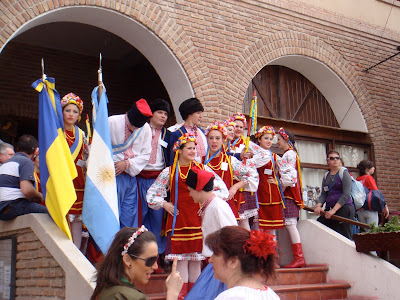
"CHE!" a group of lads from Rosario called to us for the duration of the night. In those moments, well past soberness and only happy that I had the opportunity to met friends, I simply reciprocated in that most Argentine of greetings and let loose a great laugh amongst my new companions. It was Argentina's National Beer Festival, also known as the Oktoberfest at Villa General Belgrano, Córdoba Province.
It has been almost twelve months since I arrived at Buenos Aires. In many ways, it has been a long year. In certain moments, I felt isolated and wanted to go home. As a foreigner in the middle of one of the largest cities in the Americas, I was a stranger in a new land. I arrived without much knowledge of Argentina, of the language, and without any idea how the locals would receive me.
Conversely, I have been enjoying myself so much that the year simply flew by. Unlike when I first arrived, I can now move past the basics and enjoy more profound conversations with South Americans. While no Argentine would make the mistake of thinking me a local, sorting out the communications issue must be one of the most satisfying aspect of my travels here.
In the past few months, happy to experience rather than document, I have neglected to write in this blog. Since returning from Brazil in August, I have traveled to Córdoba Province for Argentina's Octoberfest, chased the sun north to Salta and Jujuy Provinces to gaze at one of the world's great salt flats, and hiked surging peaks with so many colors that Van Gogh surely could have spent a lifetime duplicating nature's work on canvas.
Last week I finally had the opportunity to explore Uruguay. At this moment I really cannot explain the feelings in my head, a cocktail of happiness and regret at the same time. While I have had almost an entire year to get to know this part of Latin America, and I have learned so much, it feels that I have so much more to see and experience. As I said before, it is like I have only read the jacket of a book that I might never finish. In a few weeks, I will leave Argentina swimming in a sea of melancholy.
In Punta del Diablo, Uruguay, I found a little bit of peace. In this peaceful seaside village, there was the Juancho, literally an old man by the sea. All day he would sit on the side of his broken-down shack, which he would like to sell for US$10,000, and talk with whomever wanted to talk. Then there was the little daughter of Juan, the local grocer, who wanted to practice English, but would only smile shyly after a few words, and the fishermen who fished whenever they wanted and would sell whatever gifts the sea brought them.
Labels:
Argentina,
Buenos Aires,
Travel,
Uruguay
21 October, 2009
The small pleasures / Los pequeños placeres
While Buenos Aires gradually lurches forward to spring and the Northern Hemisphere grows colder by the day, I approach the end of my sojourn in Argentina. Soon it will be December and the time for me to return to the United States.
So each time I venture out into the city, I feel compelled to take stock of my year and enjoy the small pleasures of living in the city of Santa Maria.
* * *
Mientras Buenos Aires alcanza gradualmente la primavera y el Hemisferio del Norte hace más frío cada día, se acerca el fin de mi estadía en Argentina. Dentro de poco deciembre llegará y el momento de regresar a Estados Unidos.
Entonces cada vez que paseo por la ciudad, soy consciente de mi año y disfrutar los pequeños placeres de vivir en la ciudad de Santa María.
29 September, 2009
Brazil's Gold Trail / El Camino del Oro de Brasil
(Written in August 2009) Up and down the hills I climbed and descended through Ouro Prêto's ancient cobblestone streets, occasionally accompanied by a chorus of church bells. In many ways the mountains and the sky around this Portuguese colonial town reminded me of northern New Mexico.
Every sixty minutes, the Church of Our Lady of Carmen (Nossa Senhora do Carmo), which straddles one of the more prominent hills of the city and overlooks Praça Tiradentes, Ouro Prêto's main town square, would ring in the new hour. But instead of the orderly bells of North American or European cathedrals, those of Ouro Prêto were somehow different - perhaps more spontaneous. Like that of an Indian marching band, with whom each note is more casually and individually articulated but somehow would harmonize to produce music, the bells of Ouro Prêto seemed to celebrate the joie de vivre that is unique only to Brazil.
St. Francis of Assissi Church, Ouro Prêto / La Iglesia de San Francisco de Asís, Ouro Prêto
The Paraty Habor / El Puerto de Paraty
* * *
* * *
(Escrito agosto 2009) Subía y descendía por los callejónes de adoquínes antiguos de Ouro Prêto, ocasionalmente me acompañaba un coro de las campanas de las iglesias. En muchos sentidos las montañas y el cielo de este pueblo colonial portugués me recordían del norte de Neuvo Mexico.
Cada sesenta minutos, la Iglesia de Nuestra Señora del Carmen, la que se sienta una de las colinas del pueblo más prominente y da a Praça Tiradentes, la plaza principal de Ouro Prêto, sonaran en la nueva hora. Pero en vez de las campanas ordenadas de las catedrales norteamericanas o europeas, las de Ouro Prêto eran diferentes por alguna razón – quizás más espontáneas. Como lo de una banda de India, con el que cada nota es expresada individualmente y con más informalidad pero con alguna manera armonizarían para realizar música, las campanas de Ouro Prêto paracía celebrar la única alegría de vivir de Brasil.
Solamente la semana anterior, estaba en Paraty del Estado de Rio de Janeiro. Como el puerto que exportaba la riqueza de Brasil a Lisboa, la arquitectura de Paraty expresaba la exuberancia de los colonos portugueses y sus señores, pero quizás no las desesperaciónes de los esclavos africanos que trabajaban esta tierra.
25 August, 2009
Rio de Janeiro
They call her the marvelous city.
While Rio de Janeiro is a city of amazing natural beauty, with the emerald green water of the Guanabara Bay and the ocean forming a striking contrast with the granite hills of the Corcovado and Sugar Loaf, with only three days, I felt like I couldn’t possibly get to know it as I would like to.
Whereas São Paulo is geared towards commerce and seemed more of an international metropolis, with the sound of the waves and the beat of the samba, Rio de Janeiro felt like a beach town. Although Rio was once the only capital of a European country outside of Europe, and was also once the seat of the Brazilian Republic, Cariocas (residents of Rio de Janeiro) carry themselves without pretension and were quick to offer their smiles.
But for an afternoon of exploring the Santa Teresa neighborhood via its tram (called the Bondinho or Bonde), I was happy to drink caipirinhas on the beach and whiled away my time in Rio with the pleasures of the sand, the surf, and the sun.
* * *
La llaman la ciudad maravillosa.
Aunque Río de Janeiro es una ciudad de belleza insuperable, con agua verde esmeralda de la Bahía de Guanabara y el mar formando un contraste llamativo con las colinas de granito de Corcovado y Pan de Azúcar, me pareció que con sólo tres días, no pude conocerla como me gustaría.
Mientras que San Pablo es una ciudad empresarial y parece una metrópolis internacional, con el sonido de las olas y la zamba, Río parece una ciudad de playa. Aunque Río había sido la única capital de un país europeo afuera de Europa, y una vez también la sede de la República de Brasil, los cariocas (los habitantes de Río de Janeiro) se comportan sin pretensión y me ofrecían sus sonrisas fácilmente.
Pero por una tarde explorando el barrio de Santa Teresa en tranvía (lo llaman “Bondinho” o “Bonde”), me alegré de tomar caipiriñas en la playa y pasé mi estadía en Río con el placer de sentir el sol, las olas, y la arena.
17 August, 2009
16 August, 2009
Buenos Aires Tango Festival / Festival de Tango de Buenos Aires
05 August, 2009
A few days in São Paulo / Unos días en São Paulo
Rainy rainy São Paulo . . .
Known as "terra da garoa" in Portuguese (land of drizzle), I expected very little from the city. As Brazil's commercial and financial center and the largest metropolis in the Southern Hemisphere with over 11 million in population, negotiating the city's urban jungle was indeed challenging.
When I asked Paulistanos what I must see while in their fair city, many were short on answers. With only three nights and two days in São Paulo, I was content to simply roam aimlessly around the town, stopping at random places to sample Lebanese and Syrian snacks, and to enjoy freshly produced mango, passion fruit, and guava juices.
Moreover, with the largest Japanese community in the world outside of Japan, São Paulo's Liberdade neighborhood satisfied my appetite with some of the best and most affordable sushi and sashimi. Halfway through a meal, I found myself drinking a caipirinha and conversing with a Japanese businessman in a mixture of Spanish and my version of what Portuguese should sound like.
Known as "terra da garoa" in Portuguese (land of drizzle), I expected very little from the city. As Brazil's commercial and financial center and the largest metropolis in the Southern Hemisphere with over 11 million in population, negotiating the city's urban jungle was indeed challenging.
When I asked Paulistanos what I must see while in their fair city, many were short on answers. With only three nights and two days in São Paulo, I was content to simply roam aimlessly around the town, stopping at random places to sample Lebanese and Syrian snacks, and to enjoy freshly produced mango, passion fruit, and guava juices.
Moreover, with the largest Japanese community in the world outside of Japan, São Paulo's Liberdade neighborhood satisfied my appetite with some of the best and most affordable sushi and sashimi. Halfway through a meal, I found myself drinking a caipirinha and conversing with a Japanese businessman in a mixture of Spanish and my version of what Portuguese should sound like.
* * *
São Paulo la ciudad lluviosa . . .
Conocido como "terra da garoa" en Portugués (tierra de llovizna), esperaba muy poco de la ciudad. Como el centro de comercial y financiero de Brasil y la ciudad más grande en el hemisferio sur con más de 11 millones de inhabitantes, efectivamente fue un desfío para conocer el estado salvaje de São Paulo.
Cuando preguntaba a los Paulistanos qué debía conocer mientras estaba en su ciudad, muchos no me podían responder. Con sólo tres noches y dos días en São Paulo, me alegró deembular sin rumbo por la ciudad, deteniéndome al azar para probar unos bocaditos libaneses y sirios, y disfrutar jugos frescos de mango, maracuyá, y guayaba.
Es más, con la comunidad japonesa más grande del mundo afuera de Japón, el barrio Liberdade de São Paulo satisfazo mi apetito con algunos de los mejores y más accesibles tipos de sushi y sashimi. A mitad de la cena, me encontré tomando una caipirinha y conversando con un empresario japonés en una mezcla de castellano y mi versíon de lo que debe sonar, en mi opinion, el portugués.
Conocido como "terra da garoa" en Portugués (tierra de llovizna), esperaba muy poco de la ciudad. Como el centro de comercial y financiero de Brasil y la ciudad más grande en el hemisferio sur con más de 11 millones de inhabitantes, efectivamente fue un desfío para conocer el estado salvaje de São Paulo.
Cuando preguntaba a los Paulistanos qué debía conocer mientras estaba en su ciudad, muchos no me podían responder. Con sólo tres noches y dos días en São Paulo, me alegró deembular sin rumbo por la ciudad, deteniéndome al azar para probar unos bocaditos libaneses y sirios, y disfrutar jugos frescos de mango, maracuyá, y guayaba.
Es más, con la comunidad japonesa más grande del mundo afuera de Japón, el barrio Liberdade de São Paulo satisfazo mi apetito con algunos de los mejores y más accesibles tipos de sushi y sashimi. A mitad de la cena, me encontré tomando una caipirinha y conversando con un empresario japonés en una mezcla de castellano y mi versíon de lo que debe sonar, en mi opinion, el portugués.
29 July, 2009
Rural Exposition 2009 / Exposición Rural 2009
Argentine Gauchos / Gauchos de Argentina
Last Sunday was a brilliantly sunny day and some fresh air was in order after a typically Buenos Aires night out with some of the boys. Argentina's Rural Exposition 2009 happened to be right in the middle of my neighborhood in Palermo, so I popped over with a couple friends to check it out.* * *
El domingo pasado fue un día soleadísimo y yo necesitaba tomar un poco de aire fresco después de una noche típica de Buenos Aires con algunos los muchachos. La Exposición Rural 2009 de Argentina estaba en bien en medio de Palermo, entonces pasé una tarde con dos amigos para averiguarlo.
16 July, 2009
Vagando por la Patagonia / Meandering through Patagonia
Últimamente he tenido dificultades para pasar mis pensamientos al papel. No era la escasez de noticias, porque he tenido una sucesión de viajes por la Patagonia. Pero por lo que fuera, quizás me había entorpecido debido a la distancia del tiempo, he sido negligente con mi escritura.
Por una region tan grande como la Patagonia, mis visitas recientes solo me dejaron deseando más, sintiendo que yo solamente leí los preestrenos de un libro que quizás nunca podré terminar.
La última vez que estuve en la Patagonia en 2001, pasé la mayoría del tiempo en el lado Chileno de los Andes. Mientras el viento cortante de agosto penetraba el mejor equipo de alpinismo tenía, pasé casi una semana haciendo trekking con otros viajeros.
Este junio fue mi segunda vez en El Calafate. Con la excepción de unas de nubes en el cielo de otoño, el vuelo de Aerolineas Argentinas desde Buenos Aires aterrizó en medio de un día despejadísimo.
Aunque ya había visto el Glaciar Perito Moreno hacía siete años, estaba exactamente tan hipnotizado esta vez, como la primera. Algunos sitios tienen ese efecto conmigo, las siluetas de los edificios de Manhattan, Sierra Nevada en California, las cimas de los Andes, las cataratas de Iguazú, y el Pacífico, etc. Sin embargo, lo que realmente quería hacer era dejar la comodidad del hostel y salir hacia las montañas con mi mochila.
Como una dama gris que no podia detener sus lágrimas, el cielo de Río Negro llovió durante mi toda estancia en Bariloche. Entonces, en vez de lo que ví en las fotos de los lagos turquesa y verde, el Lago Nahuel Huapi y sus lagos hermanos fueron simplemente una reflexión de un cielo malhumorado. Repelido por la tormenta después de tanto días debajo de la lluvia, me retiré a la compaña de otros viajeros.
* * *
Lately I have been finding it difficult to put my thoughts down in ink. It's not for a lack of material, for I have had a series of travels through the Patagonia. But for whatever reason, perhaps the distance of time had dulled my mind, I have been neglectful about my writing.
For a region as large as the Patagonia, my recent visits only left me desiring for more, feeling like I only read the previews to a book I might never finish.
The last time I was in the Patagonia in 2001, I passed most of my time on the Chilean side of the Andes. While the biting August wind penetrated the best mountaineering equipment I had to offer, I spent almost a whole week trekking with other travelers.
This June was my second time in El Calafate. With the exception of a few puffs of clouds in the autumn sky, The Aerolineas Argentinas flight from Buenos Aires landed amidst a spectacularly clear day.
Although I have seen the Perito Moreno Glacier seven years before, I was just as mesmerized by it this time. Some sights just have that effect on me, the Manhattan skyline, the Sierra Nevadas in California, the peaks of the Andes, the Iguazú Falls, and the Pacific Ocean, etc. However, what I really wanted to do was to leave the comfort of the heated hostel and step into the mountains with my rucksack.
Like a gray lady who couldn't stop her tears, the Río Negro provincial sky rained during my entire sojourn in Bariloche. Instead of the torquoise and green colored lakes of photos I saw, Lake Nahuel Huapi and her sister were a mere reflection of the moody sky. Beaten back by the storm after a day of hiking in the rain, I retreated to the fellowship of other travelers.
Por una region tan grande como la Patagonia, mis visitas recientes solo me dejaron deseando más, sintiendo que yo solamente leí los preestrenos de un libro que quizás nunca podré terminar.
La última vez que estuve en la Patagonia en 2001, pasé la mayoría del tiempo en el lado Chileno de los Andes. Mientras el viento cortante de agosto penetraba el mejor equipo de alpinismo tenía, pasé casi una semana haciendo trekking con otros viajeros.
Este junio fue mi segunda vez en El Calafate. Con la excepción de unas de nubes en el cielo de otoño, el vuelo de Aerolineas Argentinas desde Buenos Aires aterrizó en medio de un día despejadísimo.
Aunque ya había visto el Glaciar Perito Moreno hacía siete años, estaba exactamente tan hipnotizado esta vez, como la primera. Algunos sitios tienen ese efecto conmigo, las siluetas de los edificios de Manhattan, Sierra Nevada en California, las cimas de los Andes, las cataratas de Iguazú, y el Pacífico, etc. Sin embargo, lo que realmente quería hacer era dejar la comodidad del hostel y salir hacia las montañas con mi mochila.
Como una dama gris que no podia detener sus lágrimas, el cielo de Río Negro llovió durante mi toda estancia en Bariloche. Entonces, en vez de lo que ví en las fotos de los lagos turquesa y verde, el Lago Nahuel Huapi y sus lagos hermanos fueron simplemente una reflexión de un cielo malhumorado. Repelido por la tormenta después de tanto días debajo de la lluvia, me retiré a la compaña de otros viajeros.
* * *
For a region as large as the Patagonia, my recent visits only left me desiring for more, feeling like I only read the previews to a book I might never finish.
The last time I was in the Patagonia in 2001, I passed most of my time on the Chilean side of the Andes. While the biting August wind penetrated the best mountaineering equipment I had to offer, I spent almost a whole week trekking with other travelers.
This June was my second time in El Calafate. With the exception of a few puffs of clouds in the autumn sky, The Aerolineas Argentinas flight from Buenos Aires landed amidst a spectacularly clear day.
Although I have seen the Perito Moreno Glacier seven years before, I was just as mesmerized by it this time. Some sights just have that effect on me, the Manhattan skyline, the Sierra Nevadas in California, the peaks of the Andes, the Iguazú Falls, and the Pacific Ocean, etc. However, what I really wanted to do was to leave the comfort of the heated hostel and step into the mountains with my rucksack.
Like a gray lady who couldn't stop her tears, the Río Negro provincial sky rained during my entire sojourn in Bariloche. Instead of the torquoise and green colored lakes of photos I saw, Lake Nahuel Huapi and her sister were a mere reflection of the moody sky. Beaten back by the storm after a day of hiking in the rain, I retreated to the fellowship of other travelers.
24 June, 2009
San Telmo
Todos los domingos en San Telmo, el barrio más antiguo en Buenos Aires, es la sede de una feria en las calles, atrayendo turistas, Porteños, los buscardores de tesoros, y los artistas callejeros que quieren aprovechar de la multitud de visitantes. Sin embargo, sencillamente me gusta pasear por el barrio y disfrutar la música de las calles.
05 June, 2009
Obras sociales sexy / Sexy health plans
Ya que mi seguro de viaje va a vencer en el fin de junio, estoy buscando una buen obra social mientras viviendo en Argentina. Otro día yo pasé este anuncio en Palermo Soho. En efecto, manteniendo la salud de uno podría ser sexy!

* * *
Since my travel insurance will expire at the end of June, I'm currently looking for a good health plan while I am still living in Argentina. The other day I passed by this advertisement in Palermo Soho. Indeed, maintaining one's health could be sexy.
01 June, 2009
The thief of souls / El ladrón de las almas
It was my first Boca Juniors match at La Bombonera (the Chocolate Box). To say that football is a national obsession in Argentina would be an understatement.
* * *
Fue mi primer partido de Boca Juniors en La Bombonera. Decir que el fútbol es una obsesión nacional de Argentina sería quedarse corto.
30 May, 2009
I don't want dengue fever.../No quiero dengue...
Traveling with mother is a little different than going solo. On me own I tend to move on a whim. I awake when I want to, eat and drink what and when I desire, and tend to make last minute decisions to jump on a bus, train, or plane to satisfy random curiosities. Such is the life of a solo male traveler.
With mother, the decision-making process was more laborious, but rewarding in different ways. In this case, our accommodations were more luxurious but the schedule more structured. But I did not have the opportunity to socialize with other travelers or locals. However, the most important thing was I got to travel with mother while she is still active enough to do so.
Puerto Iguazú, a Northern Argentine frontier town separated from Paraguay and Brazil by the River Iguazú, was fairly low-key as tourist towns go. Outside of the immediate areas of the Iguazú National Park and the town's bus stations, the local denizens are desperately poor and the environment a world apart from the cosmopolitan Argentine capital. Further, perhaps due to the town's location as an international crossroad, the Argentine Gendarmes were out in force at every street corner, directing traffic and stopping buses to question travelers.
Originally founded in 1610 in present day Brazil, the San Ignacio Reduction relocated to its current location in 1696. Far from my youthful fancies of Indiana Jones-like discoveries, I reached the Jesuit ruins by a 5 hour bus ride from Puerto Iguazú, stayed at the Adventure Hostel and ordered take-out pizza. Perhaps because it was low season, but for a small dog who followed us for two hours through the ruins, mother and I got to experience the Guaraní baroque grandeur of San Ignacio Miní in splendid isolation.
* * *
Me dijeron que debería tener cuidado con el dengue en el norte de Argentina, ya que los mosquitos allá son especialmente fieros y podrían contagiar la enfermedad temida. Sin embargo, Las Cataratas Iguazú es un sitio famoso y realmente lo quería ver.
Viajando con mi mamá es un poco diferente a mis viajes solos. En esos casos yo suelo despertarme y viajar cuando quiera, comer y tomar lo que desee. Esa es la vida de un viajero solo.
Pero cuando con mi mamá, el proceso para tomar una decisión es más laborioso, pero gratificante en formas distintas. En este caso, neustro alojamiento era más lujoso pero el plan más estructurado. Pero no tuve la oportunidad de conocer a otros viajeros y a la gente local. Sin embargo, lo más importante fue poder viajar con mi mamá mientras ella puede hacerlo todavía.
Puerto Iguazú, un pueblo en la frontera que está separado de Paraguay y Brasil por el Río Iguazú, era muy tranquilo. Afuera de los distritos inmediatamente de las cataratas y la terminal ómnibus, las habitantes locales son desesperademente pobre y estan en otro mundo fuera de la capital federal cosmopolita. Además, quizás por la ubicación en la frontera, había agentes de la Gendarmería Nacional Argentina en cada esquina, dirigiendo los coches y deteniendo los colectivos para interrogar a los viajeros.
Originariamente establecido en 1610 en lo que ahora es Brasil, la reducción de San Ignacio se instaló en su sitio actual en 1696. Lejos de mi fantasia juvenil de Indiana Jones, llegué a las ruinas jesuitas con un colectivo que tardó 5 horas, pasé la noche en el Adventure Hostel, y pedí una pizza para llevar. Tal vez porque era temprada baja, con la excepción de un perrito que nos acompañó por dos horas en las ruinas, pudimos conocer la grandiosidad barroca de los Guaranís en un aisiamiento espléndido.
Pero cuando con mi mamá, el proceso para tomar una decisión es más laborioso, pero gratificante en formas distintas. En este caso, neustro alojamiento era más lujoso pero el plan más estructurado. Pero no tuve la oportunidad de conocer a otros viajeros y a la gente local. Sin embargo, lo más importante fue poder viajar con mi mamá mientras ella puede hacerlo todavía.
Puerto Iguazú, un pueblo en la frontera que está separado de Paraguay y Brasil por el Río Iguazú, era muy tranquilo. Afuera de los distritos inmediatamente de las cataratas y la terminal ómnibus, las habitantes locales son desesperademente pobre y estan en otro mundo fuera de la capital federal cosmopolita. Además, quizás por la ubicación en la frontera, había agentes de la Gendarmería Nacional Argentina en cada esquina, dirigiendo los coches y deteniendo los colectivos para interrogar a los viajeros.
Originariamente establecido en 1610 en lo que ahora es Brasil, la reducción de San Ignacio se instaló en su sitio actual en 1696. Lejos de mi fantasia juvenil de Indiana Jones, llegué a las ruinas jesuitas con un colectivo que tardó 5 horas, pasé la noche en el Adventure Hostel, y pedí una pizza para llevar. Tal vez porque era temprada baja, con la excepción de un perrito que nos acompañó por dos horas en las ruinas, pudimos conocer la grandiosidad barroca de los Guaranís en un aisiamiento espléndido.
Subscribe to:
Posts (Atom)